Flat vs. Single-Ply Roof Installation: Which Is Right for Your Building
People searching for flat or single ply roof installation are typically looking to choose the best roofing option for their building, and local contractors can help by providing expert installation and advice tailored to their needs.
If you’re exploring options for flat versus single-ply roof installation, you’ve come to the right place. Property owners in the area often consider these roofing types to ensure their buildings are protected, functional, and cost-effective over time. Understanding the differences between these roofing systems can help you make an informed decision that aligns with your building’s needs, whether it’s a commercial property, industrial space, or even a residential flat roof. Local contractors specializing in both flat and single-ply roofs can provide valuable insights and tailored solutions to support your project.
Choosing the right roofing system involves practical considerations such as durability, maintenance, and installation complexity. Flat roofs often offer simplicity in design and ease of access, making them a popular choice for certain structures. Single-ply roofing, on the other hand, provides a lightweight, flexible membrane that can offer long-lasting performance in various conditions. As you continue reading, you'll find helpful information to compare these options and discover how experienced service providers in the area can help determine the best fit for your building’s unique requirements.
- Flat roof installation - suited for buildings requiring a cost-effective, easy-to-maintain roofing solution, with local contractors emphasizing durability and proper drainage.
- Single-ply roof installation - ideal for structures needing a lightweight, energy-efficient roof, with service providers focusing on seamless installation and weather resistance.
- Flat roof installation - recommended for commercial or industrial buildings with large, flat surfaces where local pros prioritize proper insulation and long-term performance.
- Single-ply roof installation - suitable for buildings seeking quick installation with minimal disruptions, with local contractors ensuring a tight, weatherproof seal.
- Flat roof installation - often chosen for buildings with budget constraints or specific structural considerations, with service providers tailoring solutions to the building's needs.
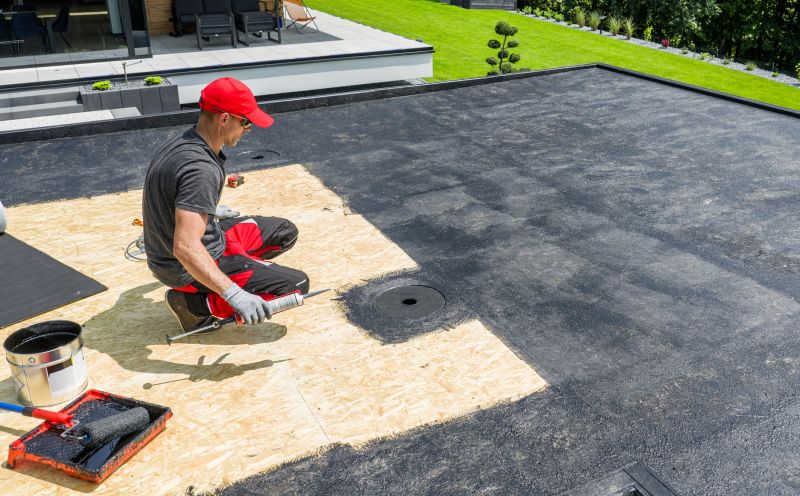
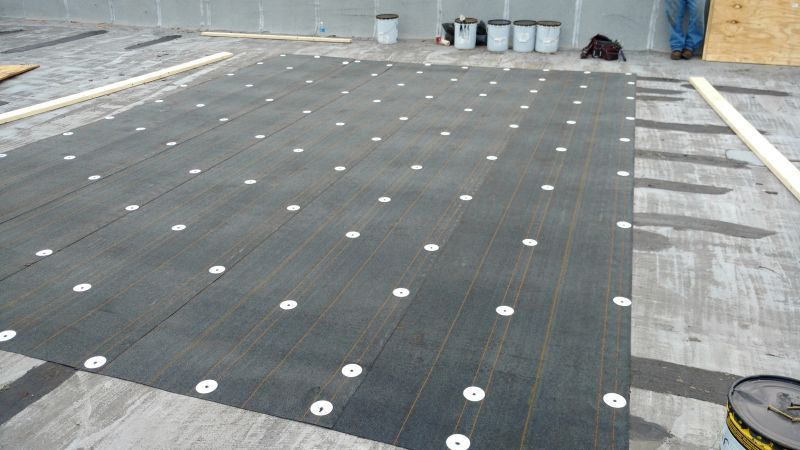

When homeowners and property managers search for information about flat vs. single-ply roof installation, they are often trying to determine which roofing system best suits their building’s specific needs. This search typically stems from plans to replace an aging roof, add a new roofing layer, or improve the durability and performance of an existing flat roof. The decision involves understanding the differences in materials, installation methods, and long-term performance. Many property owners want to ensure that the chosen roofing system provides effective weather resistance, minimizes maintenance, and aligns with their building’s structural requirements. Local contractors who specialize in flat and single-ply roofing can help navigate these choices by providing insights tailored to the building’s size, design, and intended use.
The types of problems that lead to exploring flat vs. single-ply roof installation often relate to issues like leaks, ponding water, and the need for a durable, low-maintenance solution. Flat roofs are common on commercial buildings, warehouses, and multi-family residential properties, where large, level surfaces are practical. Single-ply roofing, which includes materials like TPO, PVC, and EPDM, is frequently chosen for its ease of installation and flexibility. Property owners with older flat roofs experiencing frequent leaks may consider a single-ply system to improve waterproofing and extend the roof’s lifespan. Conversely, those with flat roofs that are still structurally sound but need a more resilient or energy-efficient system may work with local service providers to explore the best options.
Properties that typically come up in this comparison include commercial structures, industrial sites, and larger residential complexes with flat or low-slope roofs. These buildings often require roofing solutions that can cover extensive areas without seams or joints that might be prone to leaks. Flat roofs are also popular on additions or secondary structures, where space is limited and a level surface is preferred. Homeowners with flat roofs on accessory structures or garages may find that single-ply roofing offers a straightforward, reliable choice. Local contractors experienced in flat and single-ply roof installation understand the nuances of these properties and can recommend solutions that address specific challenges like insulation, drainage, and compatibility with existing roofing systems.
In choosing between flat and single-ply roof installation, property owners should consider the building’s design, functional needs, and long-term goals. Flat roofs are valued for their simplicity and cost-effectiveness, making them suitable for many commercial and industrial applications. Single-ply roofing materials, on the other hand, are appreciated for their flexibility, energy efficiency, and ease of repair. Local service providers can assess the property’s condition, help interpret the pros and cons of each system, and recommend the most appropriate solution. This tailored guidance ensures that the roofing system chosen aligns with the building’s operational demands and provides reliable performance over time.
Commercial roofing projects - local contractors experienced in flat and single-ply roofing can assist with large-scale commercial buildings requiring durable roofing solutions.
Roof membrane installation - specialists skilled in installing various membrane types can help determine the best roofing material for your building's specific needs.
Roof repair and maintenance - service providers who handle flat and single-ply roofs can evaluate existing systems and recommend appropriate repair strategies.
Industrial roofing services - industrial buildings often require specialized roofing approaches, which local pros can customize based on flat or single-ply options.
Roof insulation and vapor barrier installation - experts in roofing systems can integrate insulation and vapor barriers compatible with flat or single-ply roofing materials.
Green roof and rooftop deck projects - professionals capable of adapting flat roofing systems for additional features like green roofs or rooftop decks are available locally.
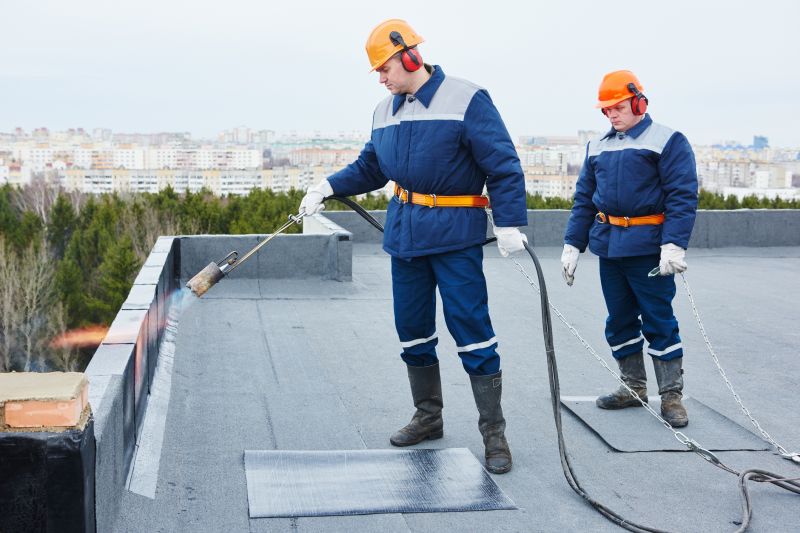
When evaluating contractors for flat versus single-ply roof installation, it is essential to consider their experience with similar projects. Homeowners should inquire about the types of roofing systems the service providers have installed in the past and whether they have worked on buildings comparable in size, design, or use. Contractors with a proven track record of handling both flat and single-ply roofs can offer insights into which option may be more suitable for the specific needs of the building. This experience helps ensure that the chosen roofing system aligns with the building’s requirements and that the installation process will be managed with expertise.
Clear and detailed written expectations are vital when comparing local contractors for roofing projects. Homeowners should seek proposals that outline the scope of work, materials to be used, and the installation process. This documentation helps prevent misunderstandings and provides a basis for comparing services objectively. Reputable service providers will be transparent about what is included in their offer, making it easier to evaluate how well they understand the nuances of flat versus single-ply roof installation. Establishing these expectations early on can lead to a smoother project and a more informed decision.
Effective communication and reputable references are key factors in choosing the right local contractor for flat or single-ply roof installation. Homeowners should ask for references from previous clients who had similar roofing systems installed, to gain insights into the contractor’s reliability and quality of work. Good communication ensures that questions are answered clearly and that any concerns are addressed promptly throughout the project. Selecting a service provider known for transparency and responsiveness can contribute significantly to a positive roofing experience and confidence in the final outcome.
Property owners often search for flat vs. single-ply roof installation: which is right for your building when they are planning practical projects around their homes and businesses. Local pros provide Flat or Single Ply Roof Installation services for everyday jobs and straightforward project options.
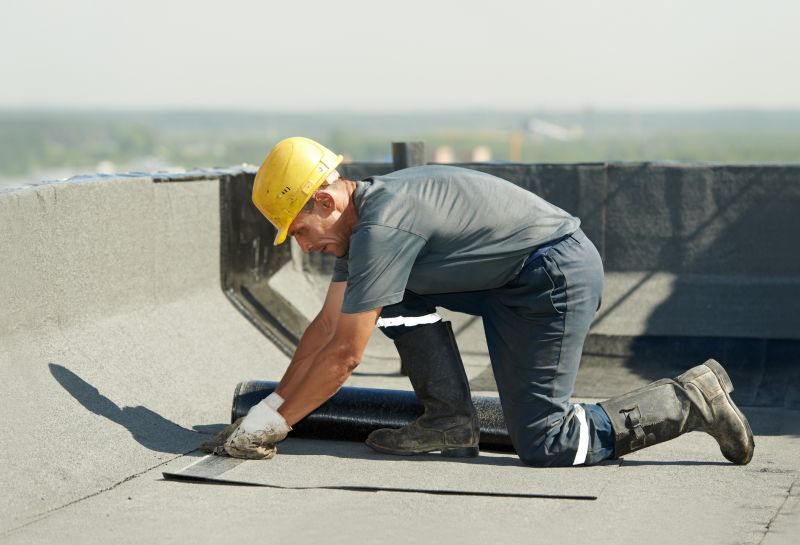
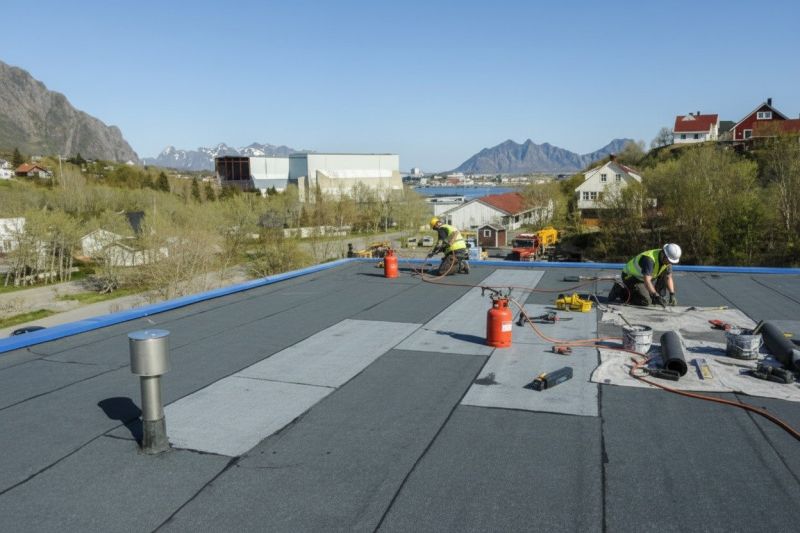
When considering flat vs. single-ply roof installation, property owners in the area often evaluate their building’s specific needs, budget, and long-term goals. Flat roofs tend to be a popular choice for commercial buildings, warehouses, and some residential spaces because of their straightforward design and ease of maintenance. Local contractors can help determine if a flat roof is suitable based on factors like roof accessibility, weather exposure, and the building’s overall structure. Property owners might look into these options when planning a roof upgrade or replacement, especially if they want a low-profile surface that provides additional space for HVAC units or rooftop equipment.
On the other hand, single-ply roofing systems are valued for their durability and flexibility, making them a common choice for buildings requiring a resilient and weather-resistant roof. These systems are often favored for their ease of installation and ability to conform to complex roof shapes. Local service providers can advise on whether a single-ply roof is appropriate based on the building’s design, expected lifespan, and maintenance preferences. Homeowners and business owners searching for reliable, long-lasting roofing solutions frequently explore the benefits of single-ply options when considering their next roof installation.
What are the main differences between flat and single-ply roof installation? Flat roof installation typically involves a built-up or modified bitumen membrane, while single-ply roofing uses a single layer of membrane material. Local contractors can help determine which option suits your building’s structure and needs.
Which type of roof is more durable for long-term use? Single-ply roofs are often known for their durability and flexibility, whereas flat roofs may require more maintenance. Local service providers can advise on the most durable choice based on your building’s environment and usage.
Are flat or single-ply roofs better for energy efficiency? Single-ply roofing materials can offer better energy efficiency due to reflective properties, but local pros can evaluate your building to recommend the best option for energy savings.
Can local contractors customize flat or single-ply roof installations for my building? Yes, local service providers can tailor flat or single-ply roof installations to fit the specific design and functional requirements of your building.
What factors should I consider when choosing between flat and single-ply roof installation? Important factors include building type, climate, durability needs, and maintenance preferences. Local pros can assess these factors to help you select the most suitable roofing option.
Assess building needs - property owners should evaluate their building’s size, usage, and existing roof condition to determine if a flat or single-ply roof installation is more suitable for their project.
Consider maintenance requirements - understanding the ease of upkeep and repair options can help decide which roofing type aligns with long-term property management plans.
Evaluate climate and weather factors - local contractors can advise on how climate influences roof durability and performance, guiding choices between flat and single-ply options.
Review installation complexity - property owners can discuss with service providers about the installation process and how it fits into their renovation or new construction plans.
If you are thinking about flat vs. single-ply roof installation: which is right for your building for a property, this guide is meant to help you understand this topic, the typical project types, and how different options might fit your plans.
When you are ready, you can use the quote form on this page to share a few details about your project. From there, local pros can review the basics and follow up with options that match what you have in mind.