TPO, EPDM, and PVC: Comparing Single-Ply Roof Installation Options
People searching for TPO, EPDM, and PVC roof installation are typically looking to compare options and find local contractors who can professionally install or replace single-ply roofing systems.
For property owners exploring options for single-ply roof installation, understanding the differences between TPO, EPDM, and PVC can make a significant impact on choosing the right solution. This comparison is especially relevant for those in the area who want durable, long-lasting roofing that can stand up to the local climate and weather conditions. With various factors like material performance, installation methods, and maintenance needs to consider, it’s practical to learn how each option aligns with specific property requirements. Local contractors specializing in TPO, EPDM, and PVC roofing can provide valuable insights and assistance tailored to the unique needs of the area, helping property owners make informed decisions.
Keeping informed about these roofing materials can also help property owners weigh the benefits and limitations of each type before committing to a particular installation. Whether seeking a cost-effective, energy-efficient, or highly resilient roofing solution, understanding how TPO, EPDM, and PVC compare can guide better choices. As local service providers offer expertise in installing these single-ply roofing options, property owners are encouraged to explore how each material might meet their specific goals and conditions. Reading further can reveal practical details that support selecting the best roofing system for a property’s long-term performance and value.
- Single-ply roof installation may be needed when building owners seek durable, lightweight roofing options that can be installed quickly, with local contractors customizing solutions to suit specific building needs. TPO roofing is often chosen for its affordability and heat-reflective properties, with local service providers ensuring proper installation for energy efficiency and longevity. EPDM roofing is suitable for low-slope roofs requiring flexible, weather-resistant material, with local pros focusing on seamless application to prevent leaks and extend roof life. PVC roofing is ideal for environments demanding chemical resistance and durability, with local contractors applying advanced techniques to ensure a secure, long-lasting seal.
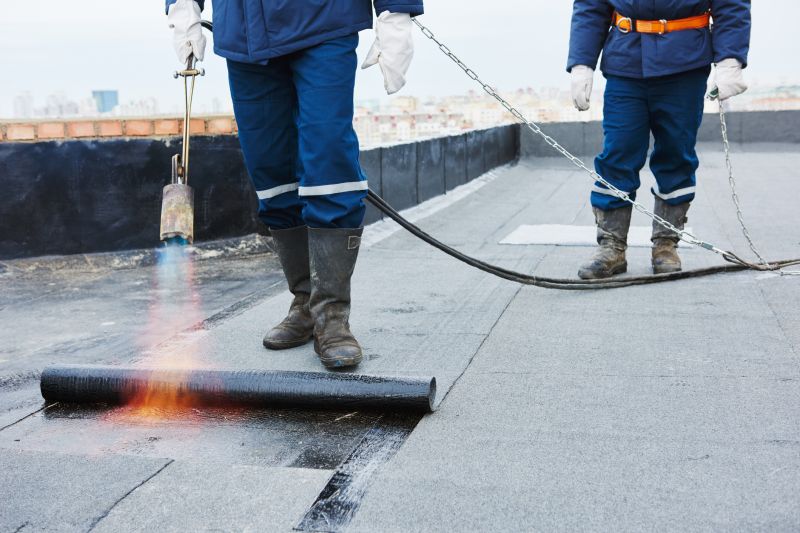
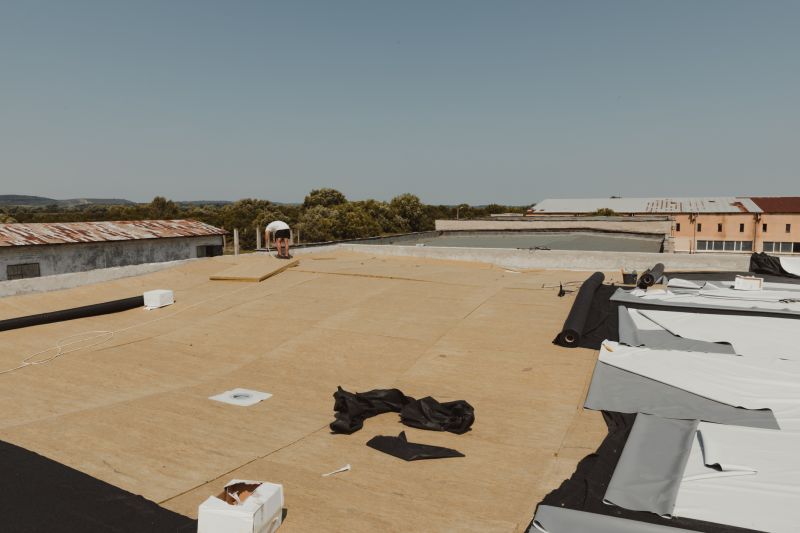
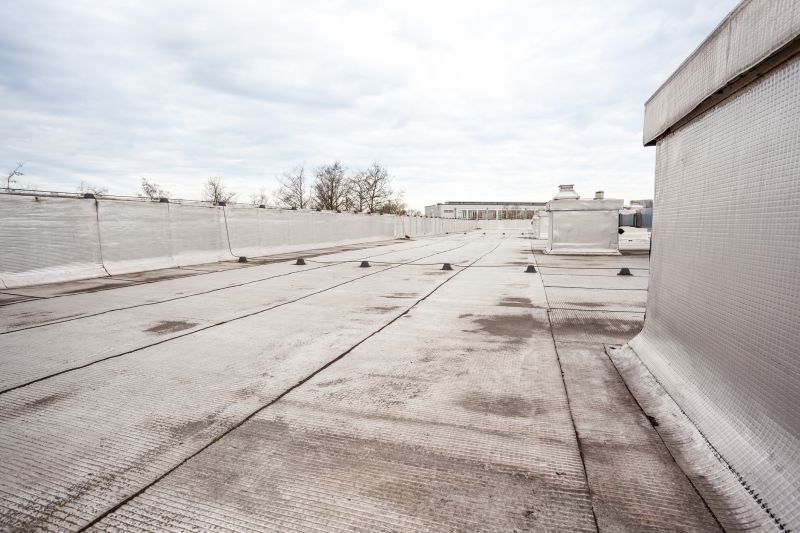
When searching for information on TPO, EPDM, and PVC: comparing single-ply roof installation options, most people are looking to understand the differences between these roofing materials to make informed decisions about their property’s roof replacement or new installation. Homeowners and property managers often consider these options when planning to upgrade or repair flat or low-slope roofs, seeking a solution that balances durability, cost, and longevity. The topic relates to projects that involve replacing aging roofs, addressing leaks, or installing new roofing systems on commercial buildings, warehouses, or multi-family residential properties. People want clarity on which material will perform best for their specific property type, climate, and usage, and they often look for local contractors who specialize in installing these single-ply roofing options.
The comparison of TPO, EPDM, and PVC roofing is closely tied to common property concerns such as energy efficiency, weather resistance, and maintenance needs. These roofing systems are designed to provide a long-lasting barrier against the elements, but each material has unique characteristics that influence their suitability for different projects. For example, some property owners prioritize energy savings, prompting them to consider reflective TPO options, while others may focus on affordability and ease of installation, which might lead them toward EPDM. Local service providers who install these materials can advise on how each option performs in specific environments, helping property owners avoid problems like premature wear, leaks, or material degradation.
The types of properties that typically involve TPO, EPDM, and PVC roof installation tend to be commercial or industrial buildings, including warehouses, retail centers, and office complexes. These structures often have flat or low-slope roofs, which are ideal for single-ply membrane systems. Residential properties with flat roofs, such as some modern apartment complexes or custom homes, may also explore these options, especially if they seek a durable, low-maintenance roofing solution. When considering these materials, property owners should evaluate the building’s size, usage, and exposure to weather, as these factors influence the choice of membrane. Local contractors experienced in installing TPO, EPDM, and PVC can assess the property’s specific needs and recommend the most appropriate roofing system.
Understanding the differences between these roofing options helps property owners plan their projects more effectively. TPO is often chosen for its reflective surface and energy efficiency, making it popular in warmer climates. EPDM is known for its flexibility and affordability, suitable for properties that require a straightforward, cost-effective solution. PVC offers excellent chemical resistance and durability, making it a strong choice for buildings with demanding conditions. Local pros who specialize in these materials can provide valuable guidance on installation techniques, material lifespan, and maintenance expectations, ensuring that the chosen system aligns with the property’s needs and long-term performance goals. This knowledge empowers property owners to make confident decisions when upgrading or installing a single-ply roof.
Commercial roofing projects - installing roofing systems for large commercial buildings requires similar planning, material selection, and installation skills as single-ply roof options like TPO, EPDM, and PVC.
Flat roof replacements - replacing or upgrading flat roofs involves comparable surface preparation, membrane installation, and flashing techniques used in single-ply roofing systems.
Roof membrane repairs - repairing existing membrane roofs demands knowledge of different materials and proper sealing methods, which are essential skills for service providers working with TPO, EPDM, and PVC.
Industrial roofing services - industrial buildings often utilize single-ply roofing options, requiring contractors to have experience with large-scale installation and material handling similar to TPO, EPDM, and PVC projects.
Roof insulation installation - installing or upgrading roof insulation in flat roofs involves planning and precise work that complements the installation of single-ply membrane systems like TPO, EPDM, and PVC.
Waterproofing projects - waterproofing surfaces with membrane systems shares techniques and tools with single-ply roof installation, making these projects relevant for local contractors experienced in membrane applications.
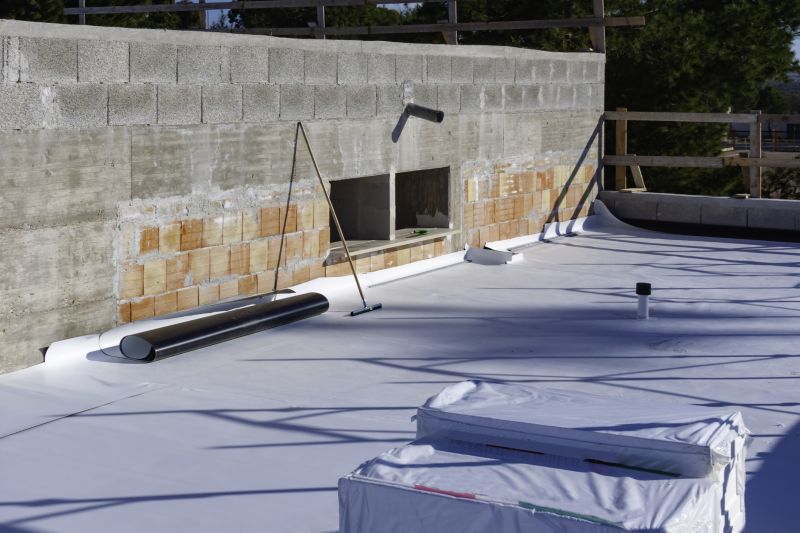
When comparing local contractors for TPO, EPDM, and PVC roof installation services, it’s important to evaluate their experience with similar projects. Homeowners should inquire about the types of single-ply roofing systems they have installed in the past and whether they have handled projects comparable in size and complexity. A contractor’s familiarity with each material’s unique characteristics, installation techniques, and best practices can influence the quality and longevity of the roof. Seeking reputable references or examples of completed work can provide insight into their expertise and reliability, helping homeowners feel more confident in their choice of service providers.
Clear, written expectations are essential when choosing a contractor for TPO, EPDM, and PVC roofing projects. Homeowners should request detailed proposals that outline the scope of work, materials to be used, and the installation process. This helps ensure that everyone is aligned on project deliverables and reduces the risk of misunderstandings. Good communication from the contractor also includes addressing questions promptly and providing updates throughout the project. A service provider who offers transparent, well-documented plans demonstrates professionalism and a commitment to meeting the homeowner’s needs.
Reputable references and positive reviews from previous clients can serve as valuable indicators of a contractor’s dependability and quality of work. Homeowners are encouraged to ask for references specific to single-ply roof installations and to follow up with these references to learn about their experiences. Additionally, a contractor’s reputation for clear communication and responsiveness during the planning process can be a good sign of how smoothly the project will proceed. Choosing a service provider with a track record of satisfied clients and transparent communication can help ensure that the project is completed successfully and meets expectations.
Property owners often search for TPO, EPDM, and PVC: comparing single-ply roof installation options when they are planning practical projects around their homes and businesses. Local pros provide TPO, EPDM, and PVC Roof Installation services for everyday jobs and straightforward project options.
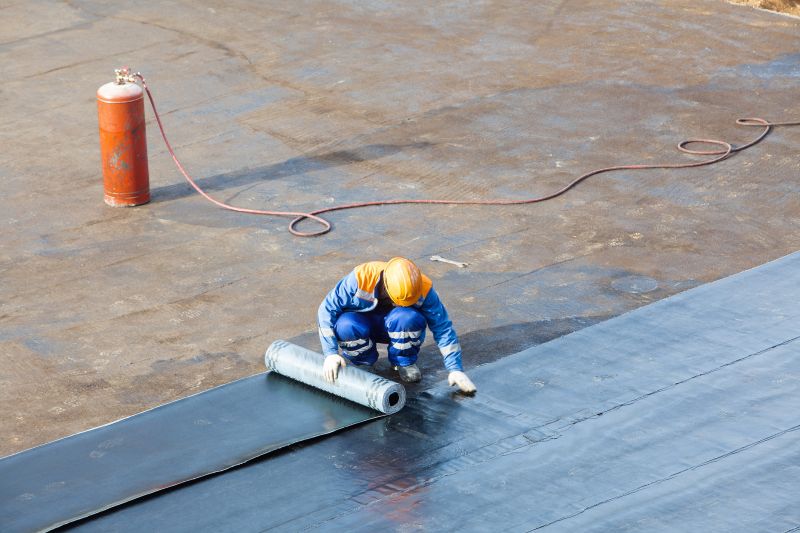
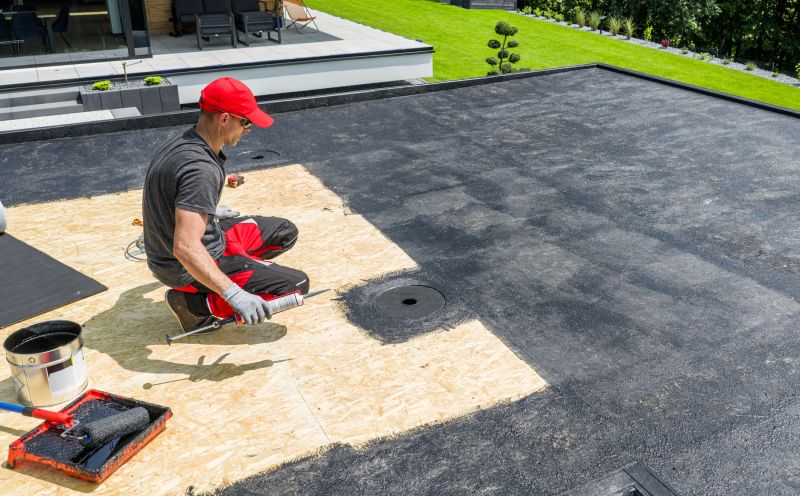
When considering roof replacement or upgrades, property owners often look into single-ply roof installation options like TPO, EPDM, and PVC. These materials are popular choices for commercial and some residential buildings because they offer durability and relatively straightforward installation processes. People in the area may search for comparisons to understand which material best suits their building’s needs, whether it’s for a new construction project or replacing an aging roof. Local contractors specializing in single-ply roofing can help evaluate the specific conditions of a property and recommend the most suitable material, considering factors like weather resistance, longevity, and maintenance requirements.
Understanding the differences between TPO, EPDM, and PVC can help property owners make informed decisions. Each material has unique qualities that can impact performance and cost-effectiveness over time. For instance, TPO is often praised for its heat-welded seams and reflective surface, while EPDM is known for its affordability and flexibility. PVC offers high resistance to chemicals and fire. Local service providers experienced in single-ply roof installation can guide property owners through these options, explaining how each material might perform based on local climate conditions and building use. This tailored advice can assist property owners in choosing the best roofing solution for their specific project needs.
What are the main differences between TPO, EPDM, and PVC roofing materials? TPO, EPDM, and PVC are single-ply roofing options that vary in material composition, durability, and installation methods. Local contractors can provide insights into how each material performs in different conditions and help determine which is suitable for specific roof types.
How do installation processes differ among TPO, EPDM, and PVC roofs? Each roofing material requires distinct installation techniques, with TPO and PVC typically installed with heat-welded seams and EPDM often glued or mechanically fastened. Service providers in the area can advise on the best installation approach for each material based on roof structure.
Are there differences in maintenance needs for TPO, EPDM, and PVC roofing systems? Maintenance requirements can vary; for example, TPO and PVC roofs may need periodic inspections of seams and surface cleaning, while EPDM roofs might require less frequent upkeep. Local roofing experts can recommend maintenance practices tailored to each system.
Which roofing option offers better resistance to weather and environmental factors? TPO, EPDM, and PVC each have different resistance profiles; PVC is known for high chemical and fire resistance, while EPDM offers excellent flexibility, and TPO provides good UV resistance. Service providers can help evaluate which material best withstands local weather conditions.
Can local contractors help determine the best single-ply roof option for a specific building? Yes, experienced local service providers can assess the building’s structure, climate, and usage to recommend the most appropriate roofing material among TPO, EPDM, and PVC for optimal performance and longevity.
Assessing material durability - property owners can evaluate the longevity and resistance of TPO, EPDM, and PVC roofing options to choose the best fit for their building's needs with help from local contractors.
Matching installation methods to building type - understanding how each single-ply roofing material adapts to flat or low-slope roofs can guide property owners in selecting suitable options through local service providers.
Considering maintenance and repair needs - property owners can discuss with local pros how different roofing materials perform over time and what upkeep might be required for TPO, EPDM, and PVC roofs.
Evaluating energy efficiency benefits - property owners interested in reflective or insulating properties can explore how each roofing option impacts energy use, with guidance from local contractors experienced in single-ply roof installations.
If you are thinking about TPO, EPDM, and PVC: comparing single-ply roof installation options for a property, this guide is meant to help you understand this topic, the typical project types, and how different options might fit your plans.
When you are ready, you can use the quote form on this page to share a few details about your project. From there, local pros can review the basics and follow up with options that match what you have in mind.